






Drug Czar Sara Carter, Senator Roger Marshall Announce First Ever Youth-led Primary Prevention Toolkit
Developed as a Partnership Between Wichita Northwest High School Students and the Drug Free Communities Support Program
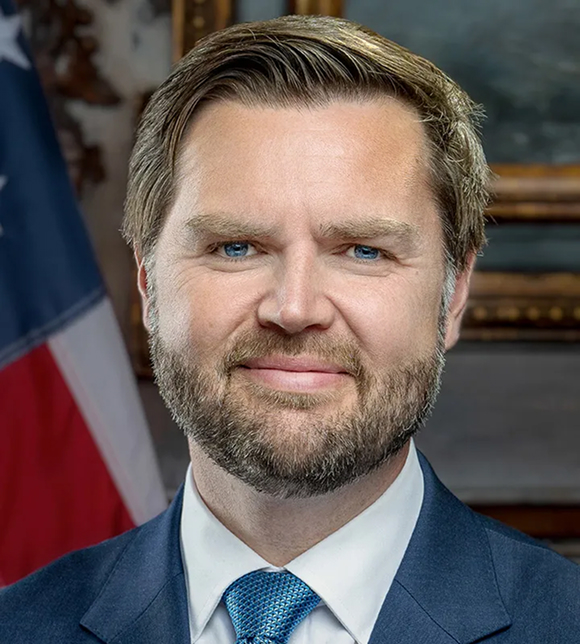
WICHITA, KS – Today, the Director of the Office of National Drug Control Policy, or “Drug Czar,” Sara Carter and Senator Roger Marshall (R-KS) announced a new partnership between the Drug Free Communities Support (DFC) program and Wichita Northwest High School to develop the first youth-led primary prevention toolkit. This toolkit will guide primary prevention efforts throughout the nation by providing evidence-based best practices recommendations adapted to the best suit today’s youth. The toolkit is expected to be released around the back-to-school season in 2027.
“The DFC program has been successful because it empowers local leaders- those who know their communities best- with federal resources to make a difference in the lives of countless young Americans. Among those leaders, and some of our most powerful advocates, are youth themselves,” said Drug Czar Sara Carter. “The students developing this toolkit know better than anyone the pressures their peers face, and how to best overcome them. I look forward to the release of their work.”
“We don’t want the next generation to inherit the drug crisis we are fighting today. We need to empower young people to take this crisis on head-on because they know what their friends and classmates are facing,” said Senator Marshall. “I appreciate Director Carter and ONDCP for putting young people at the center of this effort and giving them the tools to lead. It’s great to see a Kansas school setting an example and empowering students to take ownership in this fight.”
“We are excited that students of our district were selected to help create this national toolkit, giving young people a voice in shaping youth engagement efforts nationwide,” said Superintendent Kelly Bielefeld.
Primary prevention is a cornerstone of President Donald J. Trump’s 2026 National Drug Control Strategy, which governs the Administration’s approach to defeating the drug crisis. This latest partnership comes as the most recent reports indicate drug use among students is now at a near-record low, now the lowest since 1992 and the second-lowest since reporting began.
The White House Office of National Drug Control leads and coordinates U.S. drug policy, develops and implements the President’s the National Drug Control Strategy, and supports communities through the Drug Free Communities Support (DFC) and High Intensity Drug Trafficking Area (HIDTA) programs.