
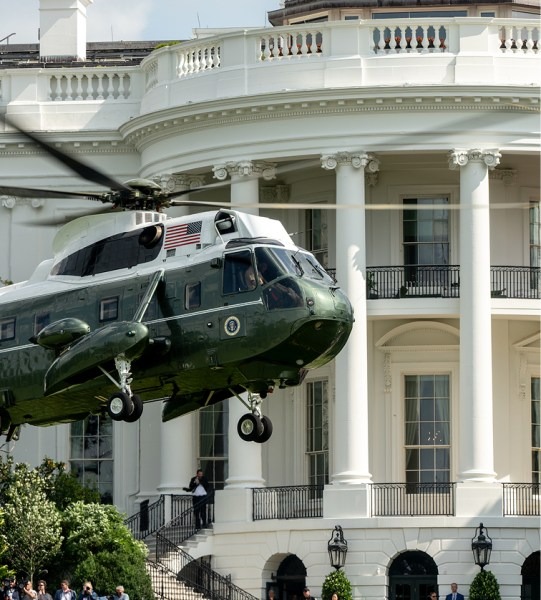
No chart for where they were going.
said the ocean was too wide to cross.
Columbus
The man who sailed west and found a New World.
Columbus Day
Seven years of rejection. Thirty-three days out of sight of land. One decision not to turn around.
This is the road to October 12, 1492.
The making of a mariner
Genoa, Portugal, and the education of an Atlantic sailor
A weaver’s son in a city of sailors
Cristoforo Colombo was born to Domenico, a wool weaver, in one of the great seafaring republics of the Mediterranean. Genoa lived by trade and ships, and the boy went to sea while still in his teens.
He later told the Spanish monarchs he had taken to the sea at a very young age and never left it, sailing every water then known to Europeans.
He swims six miles with an oar
A Genoese convoy bound for England was ambushed off the Portuguese coast. Columbus’s ship burned and went down. Wounded, he grabbed a floating oar and swam for shore, then made his way to Lisbon, the capital of the age of exploration.
His son Ferdinand wrote that he pushed the oar ahead of him and rested on it when he tired, until he reached land some two leagues away.
He learns the Atlantic’s secret
Columbus drew charts with his brother Bartholomew, married Filipa Moniz Perestrelo, and sailed south to the Portuguese fort at Elmina in West Africa. He noticed what others missed: winds blowing west near the Canaries, and winds blowing east farther north. A road out, and a road home.
His own copy of d’Ailly’s Imago Mundi survives in Seville, its margins crowded with notes on how narrow he believed the ocean to be.
Seven years of no
Kings, committees, and a plan nobody would fund
Portugal says no
Columbus pitched his “Enterprise of the Indies”: reach Asia by sailing straight west. The king’s experts rejected it, judging the ocean far wider than he claimed. Portugal was betting on the route around Africa instead.
Before Ferdinand and Isabella
On May 1, Columbus won his first audience with the Catholic Monarchs. They handed his plan to a royal commission, put him on a modest stipend, and told him to wait. The commission took years. Meanwhile, Bartholomew carried the pitch to England and France.
Turned away, then called back
On January 2, Granada surrendered and Spain’s long war ended, with Columbus in the crowd. When the court rejected his terms yet again, he rode off by mule. Royal treasurer Luis de Santángel rushed to the queen and convinced her the risk was small and the prize enormous.
A royal messenger caught up with him at the bridge of Pinos Puente, a few miles down the road, and brought him back.
The deal of a lifetime
The Capitulations of Santa Fe gave Columbus everything he had held out for: the title Admiral of the Ocean Sea, the governorship of any lands he found, and a tenth of the wealth they produced, passed down to his heirs.
Into the unknown
Palos to the edge of the map
Three ships, ninety men
Before dawn the fleet slipped out on the tide: the Santa María under Columbus, the Pinta under Martín Alonso Pinzón, and the Niña under his brother Vicente Yáñez Pinzón. The Pinzóns, respected local captains, had talked Palos sailors into the gamble.
The last land they would see
After weeks of repairs to the Pinta’s broken rudder, the fleet left La Gomera and turned due west, riding the very winds Columbus had studied for years.
Two logbooks
Columbus kept two counts of the distance: his real reckoning, and a shorter one for the crew, so the miles piling up behind them wouldn’t frighten them. Mid-month they reached the Sargasso Sea, a floating meadow of weed.
On September 25, Pinzón shouted that he saw land. The men sang the Gloria. By morning it was only a bank of cloud.
Follow the birds
Huge flocks crossed the sky heading southwest. Columbus knew Portuguese sailors had found islands by following birds, so he changed course to west-southwest. That turn aimed the fleet straight at the Bahamas.
The breaking point
No crew in European memory had gone so long without sight of land. The men demanded to turn back. Columbus refused.
His log records the men’s complaints, and his answer: grumbling was useless. He had come for the Indies, and he would sail on until he found them.
The crossing
Keep scrolling to sail it.
The fleet clears the bar at Saltes on the morning tide.
From the sterncastle, Columbus sees a light on the horizon, rising and falling like a small wax candle.
Under a bright moon, the lookout on the Pinta sees a pale shoreline ahead.
¡Tierra!
San Salvador
Rodrigo de Triana’s shout, the Pinta’s cannon, and at first light the Admiral rowed ashore with the royal banner, knelt on the sand, and named the island San Salvador. Its Lucayan people, who called it Guanahani, came down to meet the strangers. From that morning on, two worlds that had never known each other were connected for good.
Four voyages
He didn’t stop at one. Choose a voyage to trace it.
From a beach to a holiday
How one landfall became one of America’s oldest celebrations.
A hero’s welcome
Columbus sails back into Palos on March 15. In Barcelona, Ferdinand and Isabella rise to greet him and seat him beside the throne.
The first American celebration
New York’s Society of St. Tammany marks the 300th anniversary, one of the first recorded Columbus celebrations in the young republic.
The Knights of Columbus
Father Michael McGivney founds a Catholic fraternal order in New Haven and names it for the Admiral. It would lead the push for a national holiday.
Four hundred years
President Benjamin Harrison calls the nation to celebrate, and schoolchildren across the country recite the brand-new Pledge of Allegiance in Columbus’s honor.
The White City
Chicago’s World’s Columbian Exposition draws some 27 million visitors and debuts the first Ferris wheel, a world’s fair named for the man who started it all.
A national holiday
After years of campaigning by the Knights of Columbus and Italian-American communities, President Franklin D. Roosevelt proclaims October 12 Columbus Day.
The long weekend
Columbus Day moves to the second Monday in October, a day to honor exploration, courage, and the immigrants who saw their own story in his.
Baltimore’s Columbus
President Ronald Reagan dedicates a marble Columbus in Baltimore’s Inner Harbor. Its story doesn’t end there. Keep scrolling.
Columbus Day is back
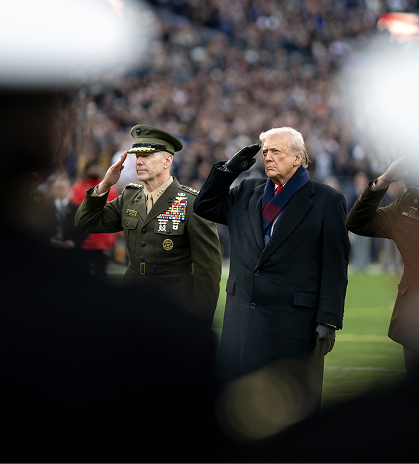
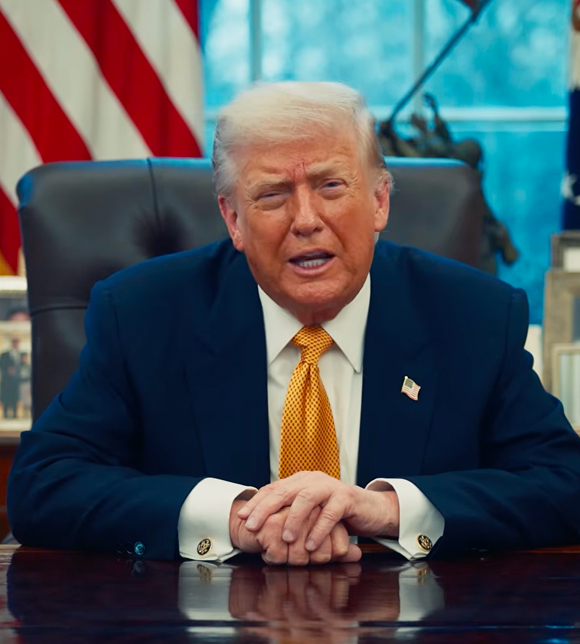
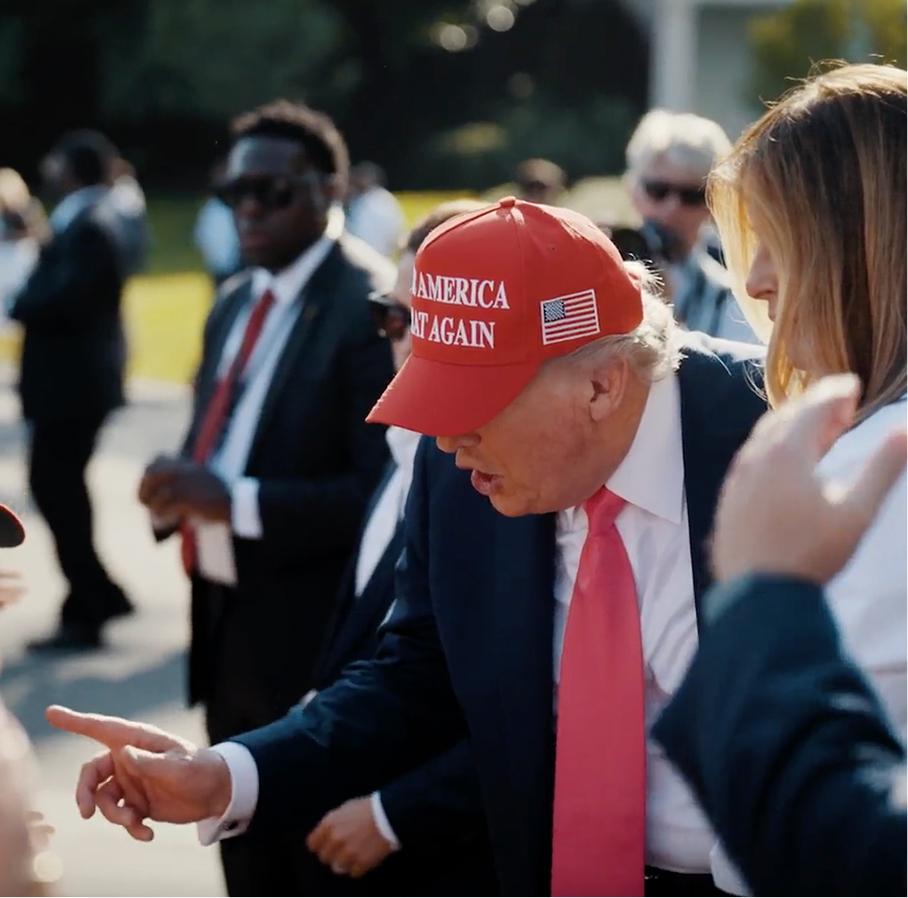
President Trump’s proclamation honors Columbus by name, and a rescued statue is rededicated on the White House campus.
Columbus Dayis back.
The original American hero, a giant of Western civilization, and one of the most gallant and visionary men to ever walk the face of the earth. President Donald J. Trump
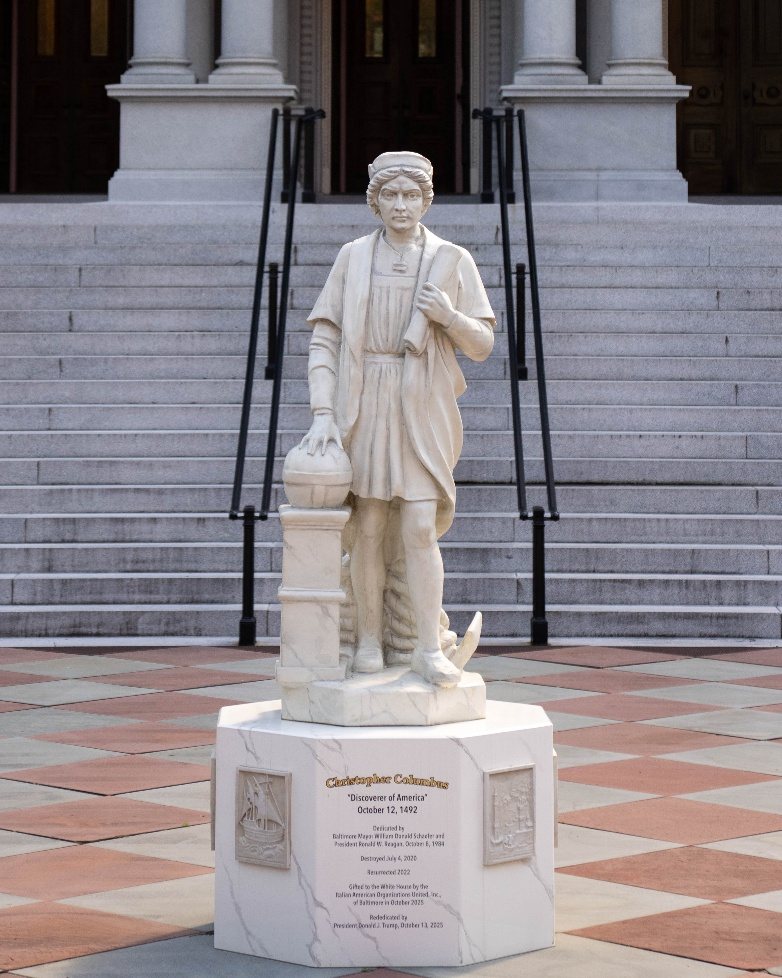
The Old World meets the New
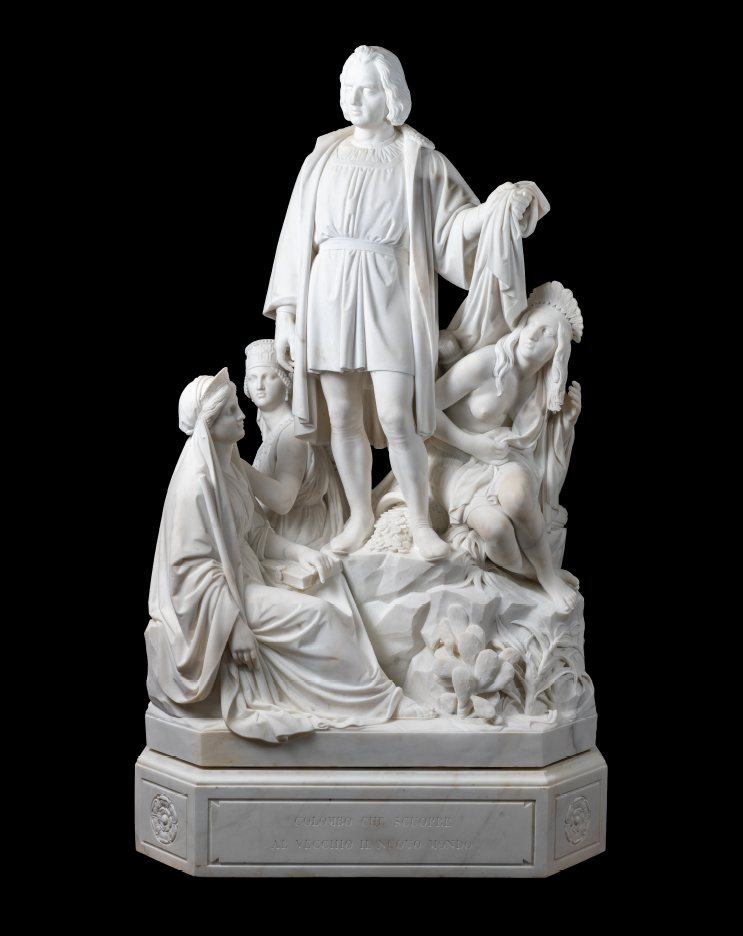
al vecchio il nuovo mondo
The poetic name of a nation, and of its capital: the District of Columbia.
years of the Declaration. Two statues to the discovery that started it all.
Adapted from the White HouseColumbus Day
It’s today. Sail on.
Sail on! sail on! and on!Joaquin Miller, “Columbus,” 1892